


No products in the cart.
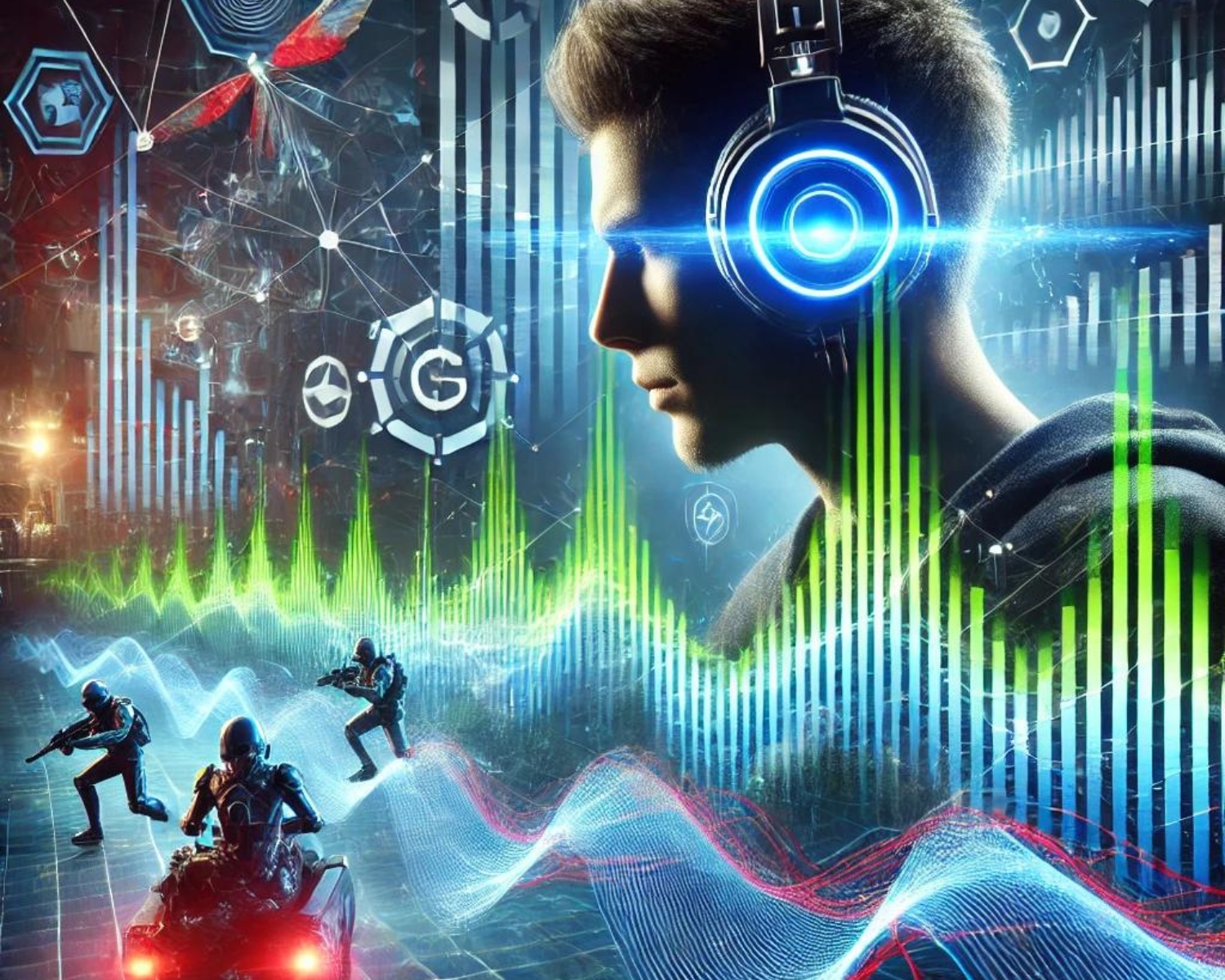
Virtual Surround Sound in Gaming: Elevating the Player Experience
Introduction
Virtual surround sound is revolutionizing gaming audio, enhancing the player experience in expansive open worlds and intense battle arenas. This blog explores its impact on gaming, its impact on player experience, and its increasing importance for gamers.
What is Virtual Surround Sound?
Virtual surround sound is an audio technology that simulates a multi-speaker setup in headphones or stereo speakers using advanced algorithms, creating a 360-degree surround sound experience for gamers and allowing them to hear sounds from various directions.
Enhancing the Player Experience with Virtual Surround Sound
1. Immersive Gameplay
Virtual surround sound enhances gameplay immersion by providing players with immersive sounds like enemy footsteps, forest rustles, or dialogue cues. This deep sound immersion transforms the gaming experience from just watching a screen to feeling part of the game’s environment.
2. Improved Spatial Awareness
Spatial awareness is crucial in first-person shooters and adventure games, where virtual surround sound provides precise audio cues to help players locate characters, obstacles, and interactions, giving them a competitive edge and enhancing the gaming experience.
3. Enhanced Emotional Engagement
Sound significantly affects emotional responses, and virtual surround sound intensifies this impact by delivering high-fidelity audio that can evoke stronger emotions. The sound of rain in a somber scene or the booming bass during a dramatic moment can feel more real and impactful, thereby enhancing the emotional engagement players feel with the game narrative.
4. Accessibility Features
Virtual surround sound also plays an essential role in accessibility. For players with impairments that might limit the typical use of visual cues, enhanced directional sound can compensate by providing more information through audio. This makes gaming more accessible and enjoyable for all players.
Technology Behind Virtual Surround Sound
Virtual surround sound relies on psychoacoustic algorithms that trick the brain into perceiving sounds as coming from multiple directions. This involves processes such as:
- HRTF (Head-Related Transfer Function): Customizes audio signals to mimic how sound waves interact with the human body, creating a more realistic three-dimensional sound environment.
- Dynamic Range Compression: Ensures that all sounds, from the quietest whispers to the loudest explosions, are heard clearly without discomfort or loss of detail.
- Sound Filtering and Delays: Mimics the way sounds reach one ear slightly before the other, depending on the direction, enhancing the perception of spatial origins.
Future Trends in Gaming Audio
As technology advances, the future of gaming audio looks promising, with developments like object-based sound formats (e.g., Dolby Atmos for headphones) and AI-driven soundscapes that adapt dynamically to gameplay. These innovations promise to make virtual surround sound even more realistic and immersive, pushing the boundaries of what gamers can experience through audio.
Conclusion
Virtual surround sound significantly enhances players’ virtual world experiences and interactions. As technology evolves, investing in high-quality systems or headphones is becoming increasingly valuable for gamers seeking a competitive edge.
#GamingAudio #VirtualSurroundSound #ImmersiveGaming #AudioTechnology #GamerExperience #SpatialAudio #VideoGames