


No products in the cart.
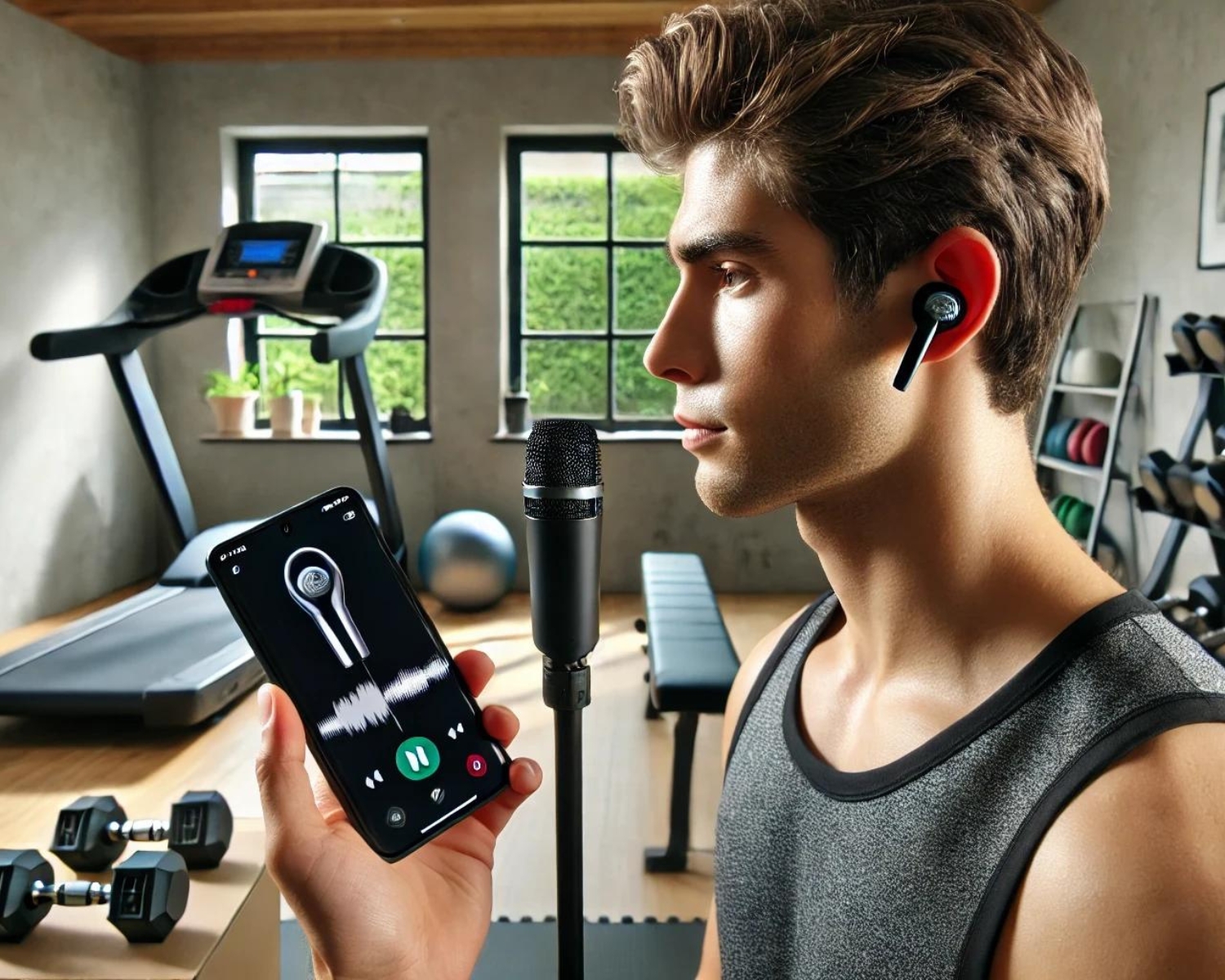
Evaluating the Microphone Quality in Bluetooth Sports Earphones
Introduction
This blog discusses the importance of evaluating the microphone quality in Bluetooth sports earphones, particularly for users who use voice assistants during workouts. It highlights the significance of microphone quality in active environments.
Why Microphone Quality Matters
A good microphone in sports earphones is vital for several reasons:
- Clear Communication: Whether you’re answering a call mid-jog or issuing commands to your smartphone’s voice assistant, clear audio transmission is essential.
- Noise Handling: Sports environments are typically noisier than usual settings. A good sports earphone microphone should be able to handle ambient noise effectively.
- Wind Resistance: Activities like running or cycling can generate significant wind noise, which can interfere with microphone performance.
Key Features to Evaluate
1. Noise Cancellation
Good sports earphones should have microphones equipped with noise-canceling technology. This feature helps filter out background noise, allowing your voice to be heard clearly without unnecessary distractions. When evaluating earphones, check for specifications that mention noise reduction or CVC (Clear Voice Capture) technology, which is specifically designed to enhance voice clarity.
2. Microphone Sensitivity
Microphone sensitivity is a critical factor that determines how well the microphone picks up quiet sounds. High sensitivity can ensure that the microphone captures more nuances of your voice but may also pick up unwanted ambient noise. Conversely, low sensitivity might require you to speak louder. Look for a balanced sensitivity level that suits active use in varied environments.
3. Number of Microphones
Some of the best Bluetooth sports earphones feature multiple microphones, often called dual-mic or quad-mic systems. Multiple microphones can be used to enhance voice input (one mic picks up the voice, another cancels out surrounding noise) and improve overall sound quality during calls.
4. Mic Position and Design
The position of the microphone can significantly affect sound quality. Mics placed too close to the mouth might capture breathing sounds, especially during vigorous workouts, while mics placed further away may struggle to capture clear voice sounds. Ideal sports earphones often position the mic strategically to balance these factors, sometimes integrating them on the earpiece itself or a short arm extending towards the mouth.
Testing Microphone Quality
When you’re evaluating the microphone quality of Bluetooth sports earphones, consider the following testing methods:
- Call Quality Tests: Make calls in different environments (indoor, outdoor, noisy, and windy conditions) to test the microphone’s adaptability.
- Voice Assistant Responsiveness: Use voice commands to interact with your device’s assistant. Assess how well the assistant understands and responds to your commands in various settings.
- Recording Tests: Record voice memos or videos to evaluate how your voice sounds when recorded through the earphones in different environments.
What to Look for in Product Reviews
When researching potential purchases, pay attention to customer reviews that mention:
- Call clarity and people’s experience with the microphone during actual phone calls.
- Complaints or praises regarding interactions with voice assistants.
- Specific feedback on how well the earphones handle noisy environments.
Conclusion
The quality of Bluetooth sports earphones, including microphone quality, noise cancellation, sensitivity, number of microphones, and design, is crucial for effective communication and keeping you connected to your music and the world.
#BluetoothEarphones #SportsGear #TechFitness #AudioTechnology #WirelessHeadphones