


No products in the cart.
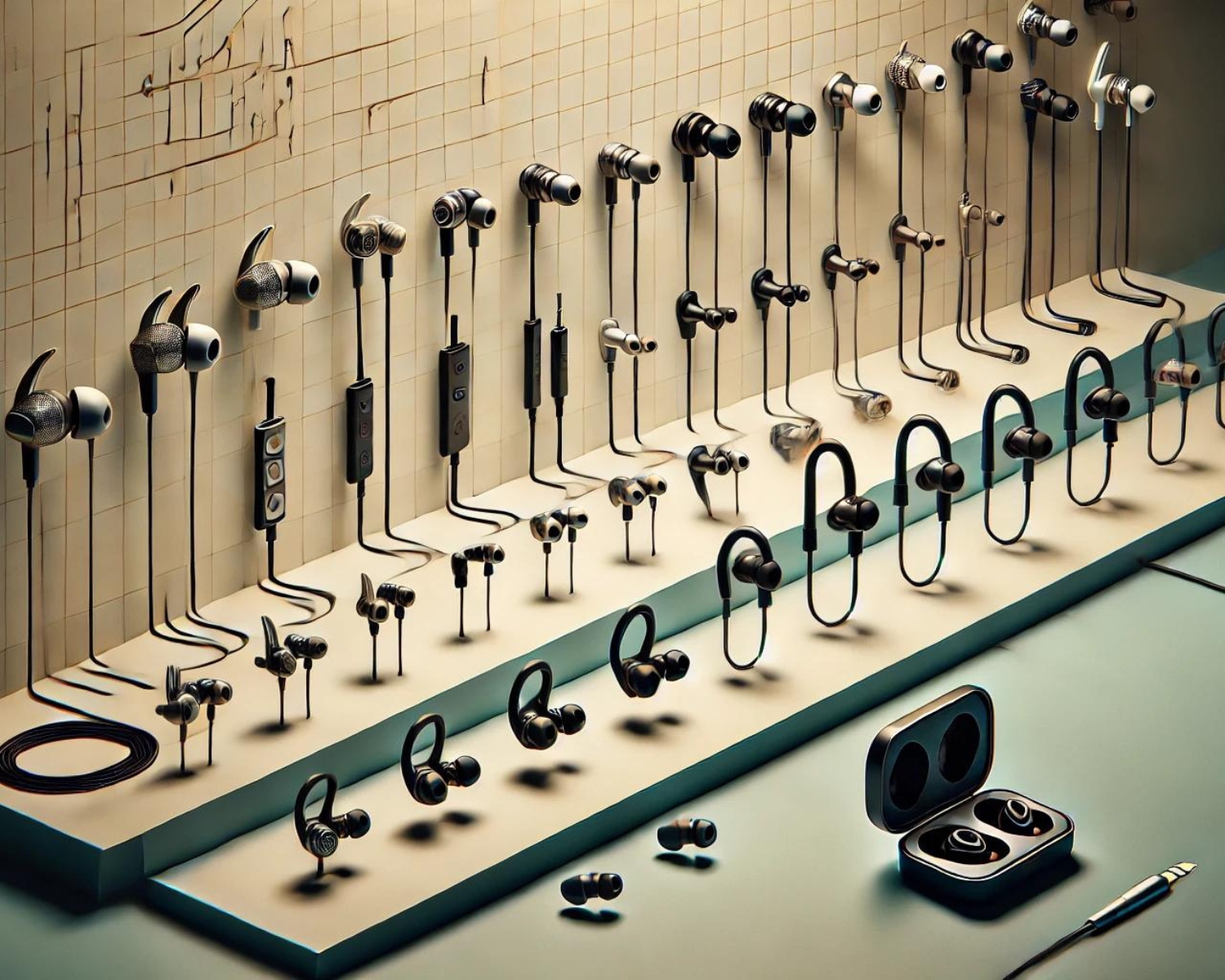
The Evolution of Earbuds: From Wired to Wireless
Introduction
This blog explores the evolution of earbud technology, highlighting advancements from simple wired models to sophisticated wireless designs. It highlights key milestones and technological breakthroughs that have transformed how we listen to sound on the go.
The Early Days: Simple Wired Earbuds
First Innovations: Earbuds, as we know them, started gaining popularity in the early 2000s with the rise of portable music players like the iPod. These early earbuds were simple, wired devices with basic sound output capabilities. They were designed for portability and convenience, offering users a way to privately listen to audio without the bulk of traditional over-ear headphones.
Limitations: While these early models were revolutionary at the time, they had limitations, primarily in sound quality and durability. Users often complained about earbuds falling out during activities and poor sound isolation.
Advancements in Sound Quality and Design
Improved Audio Engineering: Manufacturers began to invest in better audio technology, integrating more powerful drivers and fine-tuning acoustics to improve the listening experience. Noise-isolating designs became more common, using snug-fitting ear tips to block out ambient noise and enhance sound quality.
Ergonomic Designs: As usage increased, so did the focus on comfort. The next generation of earbuds saw improvements in design with ergonomic shapes that fit better in the ear canal, reducing discomfort during extended use and providing a more secure fit.
The Wireless Revolution
Introduction of Bluetooth Earbuds: The real game-changer came with the introduction of Bluetooth technology, which allowed earbuds to go wireless. This innovation marked a significant shift in usability, freeing users from the annoyance of tangled wires. Early Bluetooth earbuds were often bulky and had limited battery life, but they laid the groundwork for future developments.
Apple’s AirPods and the True Wireless Era: Apple’s launch of the AirPods in 2016 catalyzed the market for true wireless earbuds, which have no wires whatsoever, even between the earpieces. This leap forward made earbuds more convenient and functional than ever, integrating seamlessly with smartphones and smart devices.
Smart Features and Integration
Enhanced Connectivity: Modern wireless earbuds offer much more than just audio playback. They include features such as built-in microphones for calls, touch controls for music, and compatibility with voice assistants like Siri, Google Assistant, and Alexa.
Active Noise Cancellation (ANC): Advanced earbuds now come with active noise cancellation technology, using sophisticated microphones to monitor ambient noise and generate “anti-noise” frequencies to cancel it out. This feature allows for an immersive audio experience, even in noisy environments.
Health Monitoring Capabilities: Recent developments include health-focused features such as heart rate monitoring and step tracking, making earbuds a valuable accessory for fitness enthusiasts.
Looking to the Future
Innovations on the Horizon: As technology advances, future earbuds are expected to become even more integrated with our daily lives. Potential developments include augmented reality experiences through earbuds, improved biometric tracking, and even more sophisticated sound personalization.
Environmental Considerations: With increasing awareness of environmental issues, the next phase in the evolution of earbuds will likely also focus on sustainability, such as using eco-friendly materials and creating longer-lasting products.
Conclusion
Earbuds have evolved significantly from simple wired devices to advanced wireless models, reflecting advancements in audio technology and changing interactions with the world. Future innovations offer limitless possibilities.
#EarbudsEvolution #WirelessAudio #TechTrends #AudioTech #SmartDevices